3D Printing and Modern Metal Casting
3D printing has shaped modern metal casting less by changing the fundamental physics of melting, filling, and solidification, but more by shortening the engineering loop that drives cost and lead …


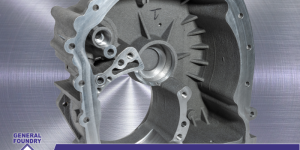
3D printing has shaped modern metal casting less by changing the fundamental physics of melting, filling, and solidification, but more by shortening the engineering loop that drives cost and lead …
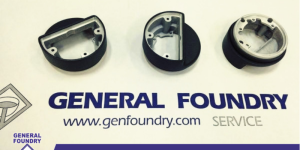
If you’re trying to determine whether you’re receiving quality aluminum sand castings, start by looking for consistency across builds. A quality program should produce repeatable results even when normal day-to-day …
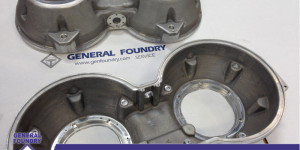
For engineers and procurement specialists designing enclosures, mounts, and RF fixtures for telecom, networking, and GPS systems, sand casting with Aluminum and Zinc‑Aluminum (ZA) alloys remains a cost‑effective route when …

Rubber Plaster Mold Casting (RPM) is a highly effective process for producing low-volume precision aluminum and zinc alloy parts. It is particularly well-suited for engineers developing prototypes, bridge tooling, or …
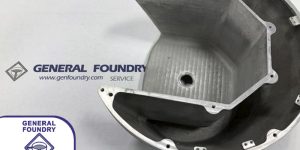
For decades, foundries and casting engineers have been constrained by the physical and economic limits of traditional sand molding. Tooling lead times, pattern storage, limited design flexibility, and the high …
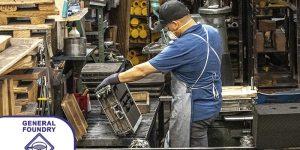
Sand casting continues to be a foundational process in the production of aluminum and zinc-aluminum components, not only because of its cost-efficiency and adaptability but also due to its long-standing …

Sand casting is a cornerstone of metal manufacturing, prized for its flexibility and relatively low cost. Yet, even the most experienced can encounter unexpected issues that impact the quality and …
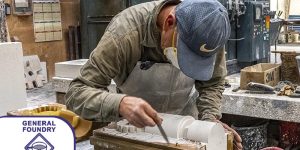
As an engineer, you rely on precision, repeatability, and reliability when specifying manufacturing processes for your designs. Rubber Plaster Mold (RPM) casting is often chosen for producing highly detailed, near-net-shape …
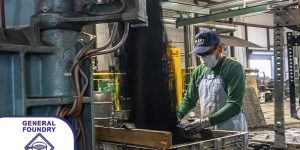
Sand casting has been a cornerstone of metalworking for centuries, providing a versatile and cost-effective way to produce complex metal components. However, the rules that govern this process have undergone …

For engineers developing metal components, selecting the proper casting process and the right foundry partner is fundamental to product success. It determines not only part geometry parameters, tolerances, and material …