

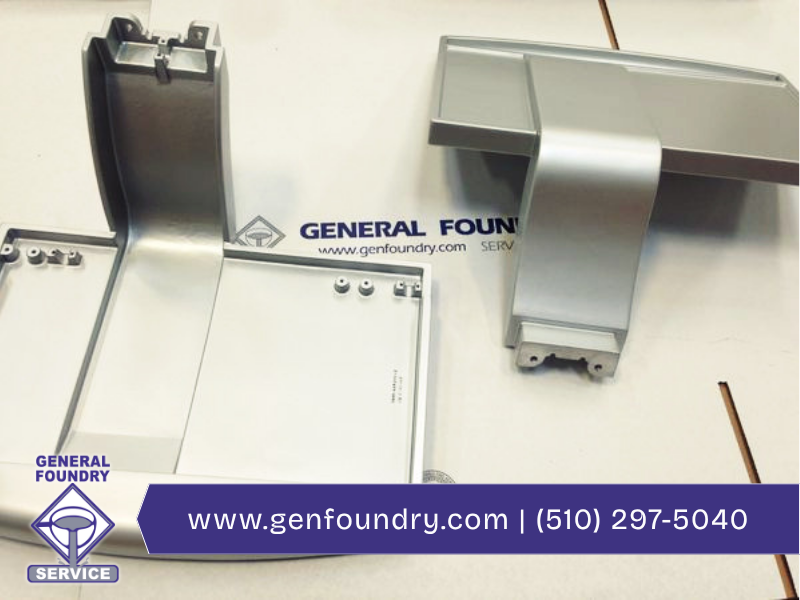
In the competitive landscape of manufacturing and engineering, achieving high-quality, smooth finishes while managing tooling costs can be a significant challenge. Different casting processes, including green sand casting, investment casting, 3D-printed sand casting, no-bake (air set) casting, and permanent mold casting, each present unique challenges for engineers. Here we explore effective strategies to overcome these pain points, offering practical solutions to improve finish smoothness while keeping tooling costs in check.
Understanding the Need for Smooth Finishes
The demand for high-quality surface finishes stems from several critical factors:
- Aesthetic Requirements: Products often must meet aesthetic standards for visual appeal in consumer markets.
- Functional Integrity: Components with smoother surfaces typically exhibit improved performance, such as reduced friction and enhanced sealing.
- Reduced Machining Costs: High-quality castings require less machining, resulting in substantial savings in energy and labor costs.
Addressing these requirements while managing tooling costs is essential for manufacturers aiming to remain competitive.
Tooling Challenges in Different Casting Processes
Each casting process has inherent complexities that affect tooling and finishing quality, such as:
• Green Sand Casting: While this process is cost-effective, achieving a smooth finish often requires fine sand and optimized molding techniques.
• Investment Casting: This method delivers excellent surface finishes but can lead to high tooling expenses, especially for complex designs.
• 3D-Printed Sand Mold Casting: While offering design flexibility and speed, 3D printing can struggle to achieve consistent, smooth finishes due to the layer lines inherent to the printing process.
• No-Bake (Air Set) Casting: The tooling for this method can be costly, and achieving smooth surfaces often necessitates additional steps, such as coatings or post-processing.
• Permanent Mold Casting: While this method can achieve smooth finishes, the initial tooling investment can be substantial, impacting cost structures.
Strategies for Achieving High-Quality Smooth Finishes
To overcome these challenges, strategic choices in materials, techniques, and process management can be integral.
- Optimize Tooling Designs: Advanced tooling design software can significantly reduce surface defects by identifying critical areas that require enhanced smoothing measures, such as fillets and transitions. Be sure to incorporate features that minimize parting lines and draft angles to help improve material flow and reduce surface imperfections.
- Utilize Advanced Sand Blends: In processes such as green sand casting and no-bake casting, the choice of sand blend affects surface quality. Finer-grained sands combined with additives can improve the mold’s surface texture, resulting in smoother castings. A controlled moisture content level in sand can also enhance bonding while providing better surface outcomes.
- Leverage Coatings and Surface Treatments: Employing coatings or surface treatments can be highly effective in improving the smoothness of cast surfaces. For example, innovative release agents can facilitate smoother surfaces during demolding, reducing post-processing needs. Surface hardening and polishing treatments can enhance the finish of cast parts, particularly in investment and permanent mold casting.
- Explore 3D Printing Advantages: In 3D-printed sand casting, addressing the inherent layer lines can be crucial. The addition of a post-printing smoothing techniques, such as chemical smoothing, can mitigate surface roughness post-production. Combining 3D-printed molds with traditional casting techniques can yield complex geometries with improved surface finishes at lower costs.
- Implement Continuous Improvement Cycles: A culture of continuous improvement allows teams to refine processes that directly affect tooling costs and finishes:
- Conduct regular reviews of production data to identify defect patterns and inform smoother tooling designs.
- Implement feedback loops that allow operators to share insights into challenges encountered during the casting process.
Cost Management Techniques
In addition to achieving smooth surfaces, managing tooling and production costs is crucial:
- Standardization of Tooling Components: Developing standardized tooling solutions can reduce costs associated with custom designs, enabling economies of scale.
- Material Selection: Using budget-friendly materials that don’t compromise the integrity of the tooling can yield significant savings, particularly in high-volume production.
- Efficient Production Planning: Leveraging software for scheduling and resource allocation can minimize downtime and improve operational efficiency, positively impacting overall tooling costs.
Achieving high-quality, smooth finishes while controlling tooling costs presents a multifaceted challenge for engineers working across various casting techniques. By strategically optimizing tooling designs, utilizing advanced materials, and fostering a culture of continuous improvement, these challenges can be effectively addressed while enhancing product quality and reducing costs. Implementing these solutions will position organizations to thrive in the competitive landscape, driving operational efficiency and excellence.
How can General Foundry Service help you?
With over 80 years of casting experience in various critical industries, General Foundry provides you with “get it right the first time” quality and a genuine customer-focused approach to each project. We offer best-in-class turnkey solutions with multiple processes and alloy options to meet your component needs. Contact us today for more information or to get started on your next project.